

Shoulder, back and neck programmes
Each programme starts with a clinical assessment, defines priorities and organises progression so you know what is being worked on and why.
Structured treatment programmes led by Claudia Juan Vigar, physiotherapist for the Spanish Olympic Sailing Team at Paris 2024. Shoulder, neck and back specialists, delivered in English for international and visiting patients.

Clínica Vigar is located on Calle Pinos, in La Victoria, Málaga’s central district, close to Gibralfaro and well connected by public transport. It is led by Claudia Juan Vigar, physiotherapist for the Spanish Olympic Sailing Team at Paris 2024 and specialised in advanced musculoskeletal physiotherapy techniques.
Calle Pinos, Málaga’s central district, close to Gibralfaro and well connected by public transport.
Advanced techniques for all areas of the body, with a particular focus on shoulder, neck and back conditions.

Many shoulder, back and neck problems respond better when treatment follows a structured plan, instead of going session by session without order. That is why the clinic uses programmes with goals, reviews and adjustments.
Each programme starts with a clinical assessment, defines priorities and organises progression so you know what is being worked on and why.
Shoulder, neck and back are our main areas of clinical focus, with area-specific protocols and ultrasound support when it adds value.
Tendon injury, muscle injury, sprain and post-surgery recovery: we apply the same clinical method while adjusting progression to the type of process and the affected area.
The same clinical method, adjusted to the problem and the stage of the case.
We review the problem, current load, limitations and ultrasound if it adds useful information.
Treatment, education, load adjustment and exercise are combined according to the stage of the case.
Response is reviewed and the plan is adjusted to recover tolerance, function and autonomy.
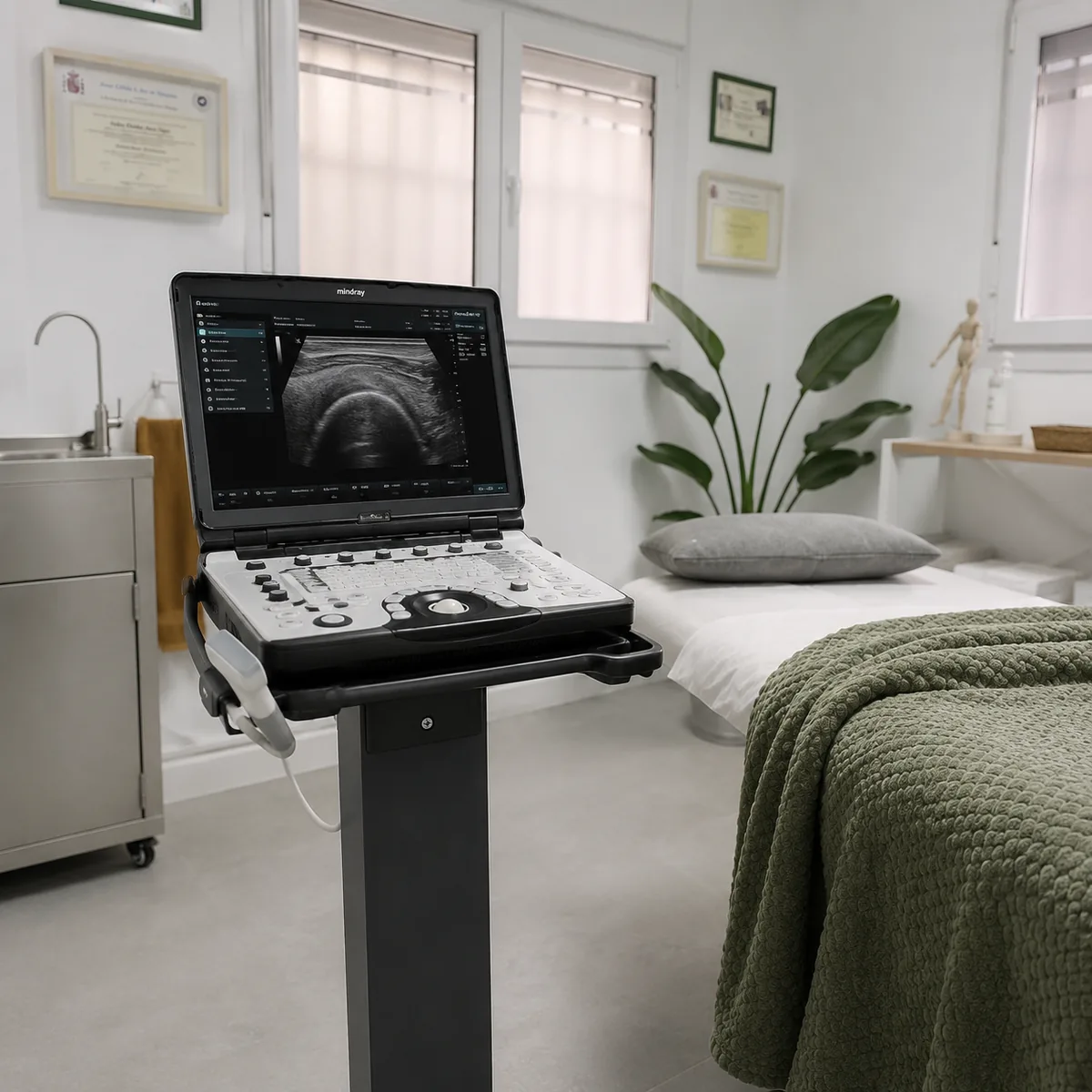
Ultrasound does not replace clinical assessment. It is used when it adds useful information about tendon, bursa, muscle or load progression.
The value is not in using a test by routine, but in integrating it with clinical reasoning inside the assessment and treatment plan.
Spanish physiotherapy training places strong emphasis on detailed musculoskeletal assessment and on advanced techniques for soft tissue, tendon and ligament injuries. At Clínica Vigar we use approaches developed and refined within this clinical tradition, including ultrasound-guided dry needling, percutaneous neuromodulation and EPI (Intratissue Percutaneous Electrolysis), originally developed in Spain in 2000. These are combined with structured, exercise-based rehabilitation.
The first visit should not leave you with more doubts. The goal is that you leave with a useful explanation and a clear next step.
Symptoms, context, current load, limitations and the evolution of the problem are reviewed.
The assessment is translated into clear language so you understand what seems to be happening and what to do first.
The next step is agreed: focused treatment, follow-up or a structured programme.
Sports rehabilitation is the phase between “it no longer hurts” and “I can train at my previous level again”. At Clínica Vigar, we work on load progression, motor control, sport-specific movements and prescribed exercises according to the discipline and the patient’s stage.
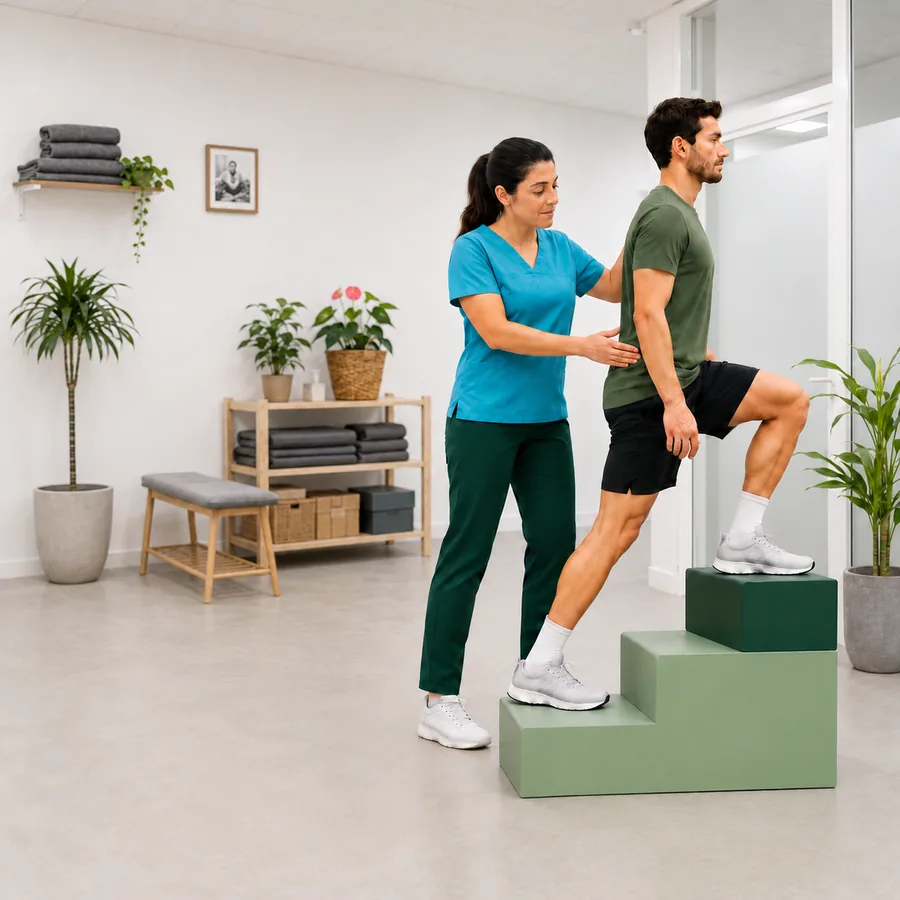
Gradual workload adjustment to recover tolerance without unnecessary jumps.
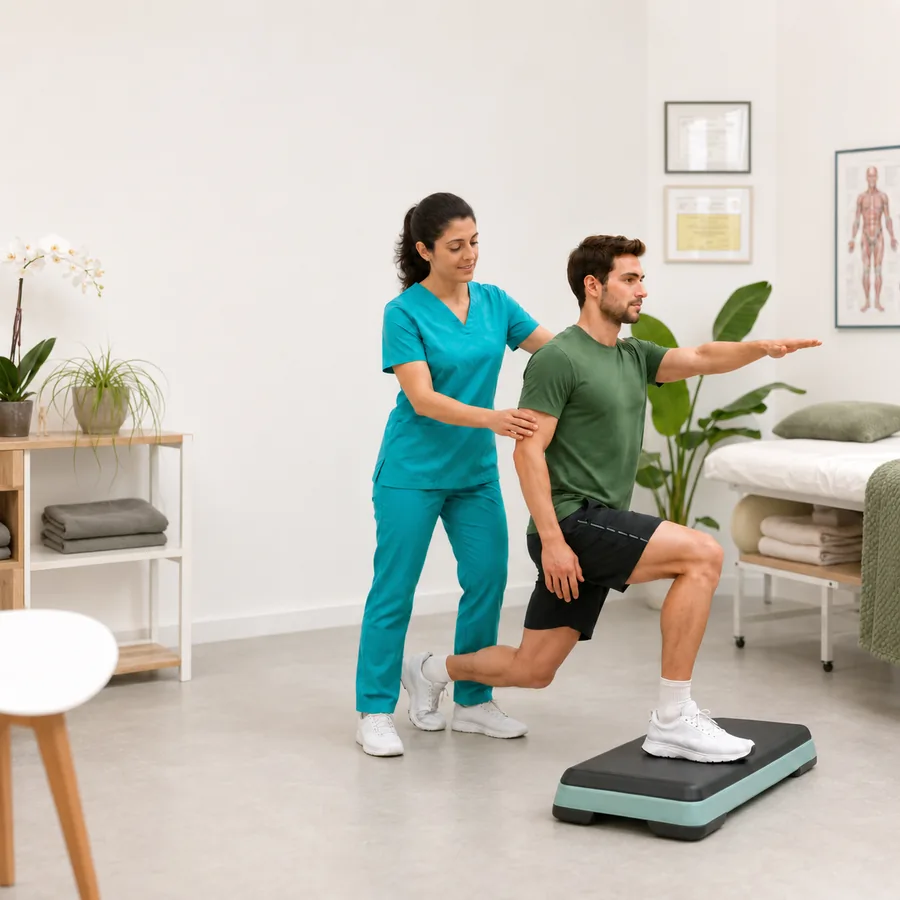
Work focused on the movement pattern you need to recover according to your activity.
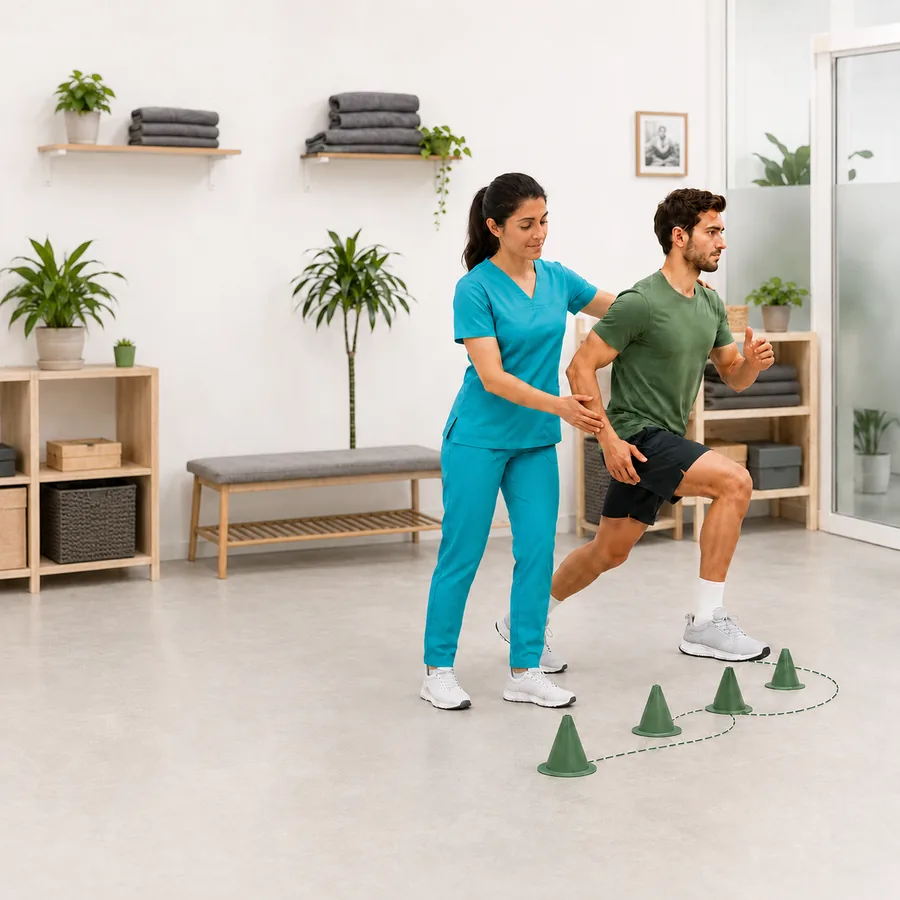
Support for athletes who need a progressive return to training.
The most useful way to start is to understand what is happening, decide what should be done first and define a treatment plan.
Check availability on WhatsApp. For a written enquiry, use the form without including unnecessary sensitive health information.